
Boutique hotel market projected to grow by 5.7% through 2031
The segment will reach 4.04 billion euros in Europe
The European boutique hotel market reached 2.62 billion euros in 2024 and is projected to grow at an annual rate of 5.7% through 2031, when it will exceed 4.04 billion euros, driven by the demand for authentic experiences and a connection with the local environment.
Projections confirm the consolidation of the experiential segment
Barcelona, 14/01/26
According to the Europe Boutique Hotel Market Analysis report, the European boutique hotel market reached a value of 2.62 billion euros in 2024. Compound annual growth is forecasted at 5.7% through 2031, at which point the market could surpass 4.04 billion euros. Although the pace may seem moderate compared to other segments, it confirms the strategic relevance of this niche within European tourism.
Another analysis by Grand View Research estimates the market size at 22.85 billion euros in 2024, with a projection of 34.5 billion by 2030 and a CAGR (Compound Annual Growth Rate) of 7.2% between 2025 and 2030. The study attributes this growth to travelers’ increasing preference for unique, personalized experiences with a strong emotional component.
The demand for authentic experiences, identity-driven design, and a deeper connection with the surroundings is driving the consolidation of the boutique model in major European capitals. The continent’s hotel industry is experiencing a turning point that will redefine its evolution in the coming years.
Spanish market to exceed 907 million euros by 2030
The Spanish boutique hotel market generated over 555 million euros in 2024 and could surpass 907 million by 2030, according to the same report. Consultancy firm HSV specifically highlights the case of Madrid, where more than 50% of independent hotels align with the boutique model, consolidating the city as a benchmark in this segment.
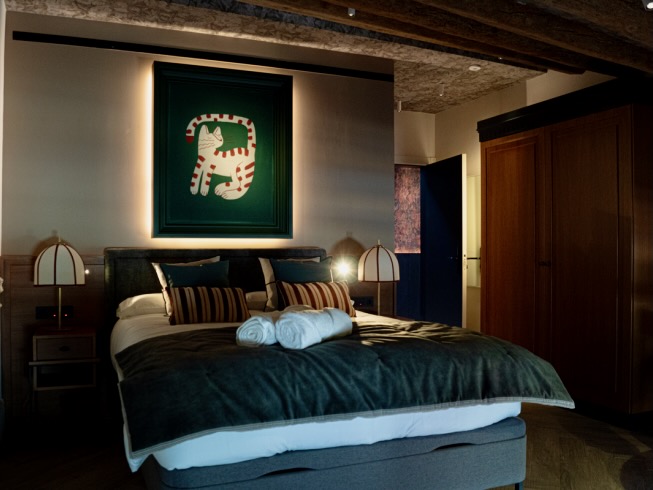
Among the most representative examples is Casa Almagro by The Pavilions, an establishment that combines avant-garde design, tradition, and a human-centric approach to hospitality. Its manager, Óscar Bellido, summarizes the sector’s philosophy: “Hospitality involves creating spaces with character, where every detail makes sense and the guest feels part of the place they are visiting. This vision is now finding its natural moment of consolidation in Europe.”
The growth of the boutique model is not solely a response to economic indicators; it reflects a profound change in traveler behavior. New generations seek comfort but also uniqueness, cultural connection, and a narrative that gives meaning to their stay.
Hospitality integrates gastronomy, community, and experiential design
The evolution of the traditional lodging concept integrates gastronomy, community, art, and design as part of a global experience. Travel trends for 2026 show a growing interest in immersive, authentic proposals linked to local communities.
Europe is going through a period of tourism maturity that demands a thorough review of hospitality models. The saturation of traditional formats and the traveler’s desire to feel part of the destination have opened the door to a new way of conceiving the hotel experience.
Boutique hotels are positioned as the natural response to this demand. All signs point to 2026 marking the definitive turning point for their consolidation as a benchmark for a more human, experiential hotel industry aligned with the expectations of today’s traveler.
infoodspro+